
Understanding Payment Processing: How Businesses Can Choose the Right Provider
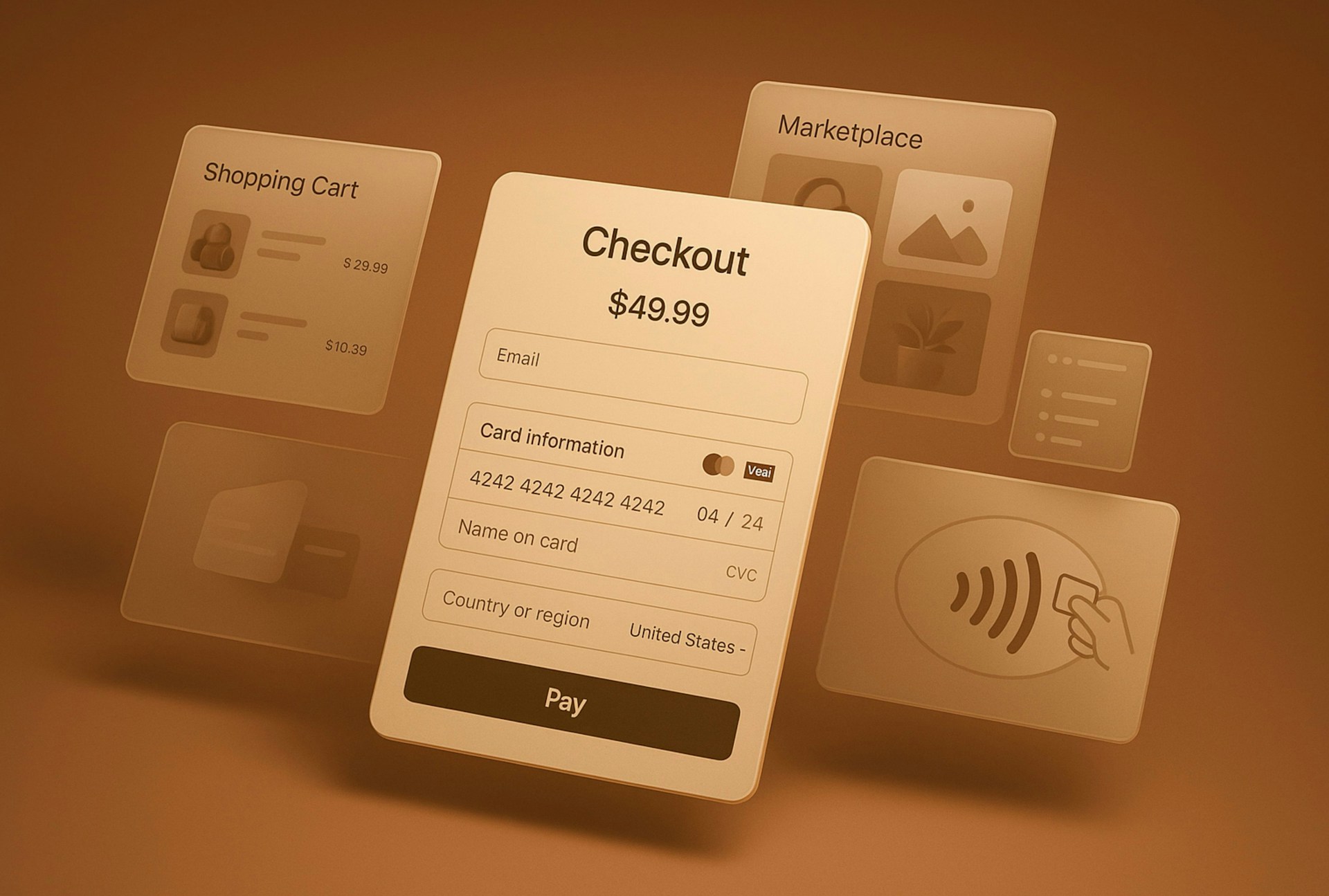
In the digital age, payment processing is the base structure of global trade. Whether it’s an eCommerce store, a SaaS company, a brick-and-mortar store, or a mobile business, efficient and secure collection of payment is critical for growth. Between multiple payment gateways, processors, and merchant acquirers from which to choose, picking the right one can feel that much more difficult.
This guide goes over what you need to know in terms of payment processing and which providers to pay attention to, and it also covers how businesses may use tools at their disposal, like bilixe.com, which is a directory, to make your search for the right company easier.
What Is Payment Processing?
Payment systems are what companies use to receive electronic payments from their customers. This includes credit and debit cards, digital wallets, bank transfers, QR payments, and also other alternative methods.
At the point of a purchase, many parties are involved:
- Customer – Initiates the payment.
- Merchant – Accepts the payment.
- Payment processor – Transmits payment info securely.
- Payment Gateway – Interfaces with card networks and banks.
- Acquiring financial institution – Processes transactions for the merchant.
- The bank that issues the card — Approves or declines the transaction.
Within a few seconds the system runs the check for available funds, does fraud analysis, and then either gives the go-ahead for the payment or turns it down. Upon approval, which is the final step, the funds are put into the merchant’s account once the settlement is done.
Types of Payment Solutions
Modern businesses have a large choice of payment processing solutions. To know which is best is key.
1. Payment Gateways
Payment gateways have been found to be secure in that they take the info from your site or POS and send it to the processor. Also, they encrypt the private data and see to it that the security standards are met.
2. Payment Processors
Processors facilitate communication between accounts and card networks. They do transaction authorization, settlement, and reporting.
3. Merchant Acquirers
Acquiring companies that run merchant accounts and process card transactions for businesses.
4. Payment Facilitators
Also, it is known that PayFacs, which is an alias for these providers, allow businesses to use a master merchant account for payment processing, which in turn simplifies the onboarding.
5. SoftPOS
SoftPOS, which is a software point of sale solution for merchants that allows them to accept contactless payments through their NFC-enabled smartphones or tablets, is talking here of not having to use the traditional hardware terminals. This tech also in turn reduces equipment costs and increases mobility for small and medium-sized businesses.
Key Factors to Consider When Choosing a Payment Provider
In choosing the right payment partner, look beyond the fees. Here are the key factors that businesses should evaluate:
1. Transaction Fees and Pricing Structure
Providers may charge: Providers may bill for:
- Flat-rate pricing
- Interchange-plus pricing
- Tiered pricing
Understanding the issue of processing fees, chargeback costs, monthly fees, and cross-border charges is key to accurate cost prediction.
2. Supported Regions
Not all companies are global. If your business has an international customer base, make sure the provider you choose supports the countries and currencies in which you do business.
3. Accepted Payment Methods
Customer choice of payment methods varies by region. In some markets credit cards are the primary form of payment; in others there is more of a preference for bank transfers or digital wallets. The greater the variety of payment options you present the lower is your cart abandonment rate.
- Integration Options
Look at the API’s, plugins, SDK’s and also see what other platforms they integrate with like Shopify, WooCommerce, Magento or custom built systems.
- Security and Compliance
PCI DSS compliance, there are encryption values, tokenization as well as fraud prevention tools which are key in the direction of protect sensitive data in addition to maintain trust.
- Settlement Time
Cash flow is a key issue. Some providers update accounts daily, which is great, but some it takes a few business days which is less than ideal.
- Customer Support
Technical support that is reliable can avert revenue loss due to downtime or integration issues.
The Growing Complexity of Payment Processing
As the payments industry changes, businesses face out new issues:
- Increasing fraud risks
- Expanding regulatory requirements
- Growth of digital wallets and alternative payment options.
- Demand for seamless omnichannel experiences
With a large number of providers that claim to have the best solutions out there decision making has become a tough task especially for start ups and growing companies which are entering new markets.
How Bilixe Simplifies the Search for Payment Providers
Bilixe, a directory of payment providers, has put at the disposal of the global business community the best payment service providers for their particular needs. Instead of the tedious task of research, which may extend to dozens of companies, users may look into a growing database of payment gateways, processors, facilitators, and merchant acquirers in one place.
What sets Bilixe apart is its robust smart filter system. Businesses can search providers in the following areas:
- Transaction fees
- Supported countries and regions
- Accepted payment methods
- Integration options
- Compliance certifications
- Industry specialization
This structured approach, which in turn saves time, also reduces the risk of going for an incompatible or expensive solution.
Another great benefit is that of access. At bilixe.com access is free, which makes it a great starting point for all types of businesses, from the small startup to the large enterprise looking for better options.
Benefits of Using a Payment Provider Directory
Using out-of-the-way directories that are specific to a certain field also has many benefits.
- Transparent Comparisons
Instead of successful by marketing claims alone, businesses may liken which providers do better.
- Faster Decision-Making
Smart filters reduction research time as well as put forward which providers meet certain criteria.
3. Better Negotiation Power
When companies know what the market standards are for fees and services, they are in a better position to negotiate contracts.
4. Reduced Risk
Choosing improper processors can result in account freezes, high chargeback fees, or integration issues. In which case thorough research pays off.
Future Trends in Payment Processing
The payment space is very much a moving target. In that which is true of payment trends, they include:
- Contactless and mobile-first solutions
- Embedded finance within SaaS platforms
- Real-time payments
- AI-driven fraud detection
- Increased adoption of SoftPOS technology
Businesses that have their finger on the pulse and are adaptive will see success in international growth and in meeting changing customer needs.
Final Thoughts
Payment processing is a much larger field than just facilitating transactions; it also includes issues of revenue, customer experience, operational efficiency, and business growth. In choosing the right partner, businesses must do an in-depth look at fees, technology, compliance, and geographic coverage.
Instead of going at it alone, businesses may use tools like Bilixe, which is a directory of payment providers put together for ease of use and information. With bilixe.com at their disposal, companies are able to better identify payment solutions that are the best fit for what they do, which in turn saves time and avoids large-scale issues.